Chamarel Coffee: From Tree to Cup at Mauritius' Only Coffee Plantation
Jun 18, 2026
Chamarel Coffee is produced in Mauritius' only coffee plantation, located in the highlands of Chamarel. Grown on volcanic soils and cultivated through a fully artisanal process, it reflects a local expertise developed over decades and results in a premium-quality coffee.
From handpicked coffee cherries to roasting and tasting, every stage takes place with care and attention. This guide explores what makes Chamarel Coffee unique, from its origins and terroir to the craftsmanship behind every cup.
Why Is Chamarel Coffee Unique?
Chamarel Coffee stands apart as the only coffee cultivated in Mauritius. Produced within a plantation surrounded by forests and volcanic landscapes, it benefits from conditions that contribute to its distinctive identity.
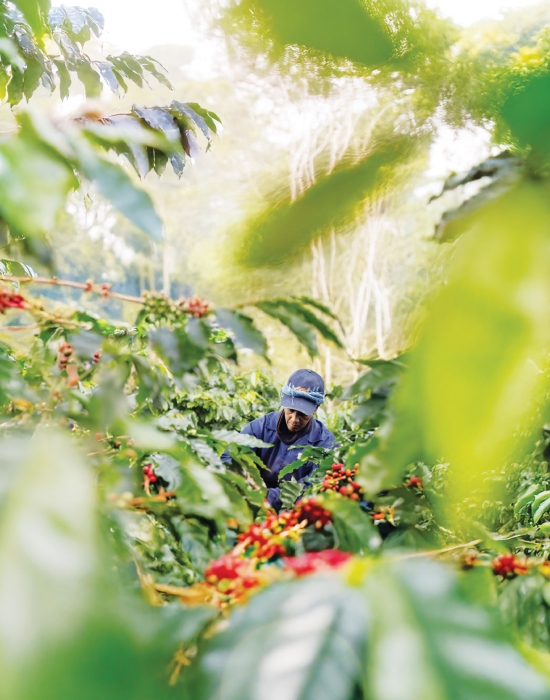
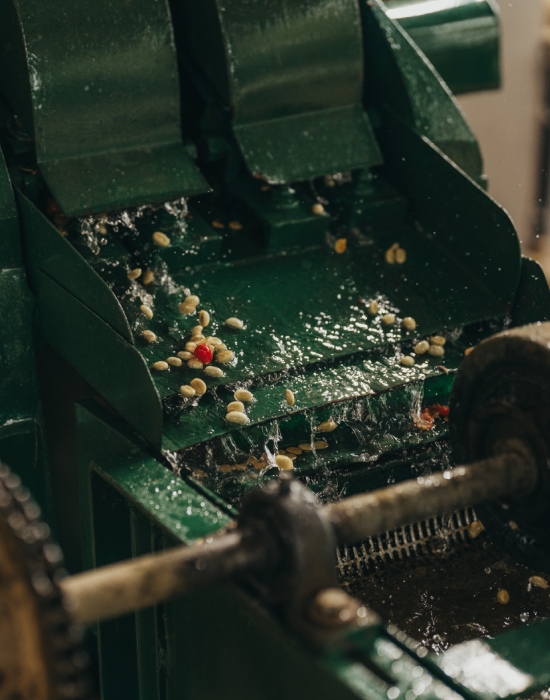
The coffee remains intentionally artisanal. Coffee cherries are harvested by hand, carefully selected at peak ripeness and transformed through a process that includes pulping, fermentation, sun drying, sorting and roasting. Each stage contributes to the character of the final cup.
A Coffee Plantation Shaped by Chamarel
Coffee cultivation in Chamarel began after the lands of Chamarel and Case Noyale were acquired in 1961. At the time, the area was mainly cultivated with sugarcane, and the idea of a coffee plantation emerged as an alternative better suited to local conditions. In 1966, Oswald du Chasteleer, a coffee specialist from the former Belgian Congo, contributed his expertise to the project.
The first Arabica coffee trees were planted in March 1967, and the first harvest followed in 1970. In 2012, new coffee trees were planted to expand the plantation, while investments in processing equipment helped increase production capacity. Today, the plantation continues this legacy while remaining rooted in the same landscape.
A Terroir That Shapes Every Bean
Several coffee varieties grow within the plantation, with Arabica K7 serving as the principal variety. Originally from Kenya, this Arabica variety is typically cultivated at elevations exceeding 1,000 metres. In Chamarel, it thrives at an altitude of 280 metres above sea level thanks to a combination of climatic conditions, volcanic soils and the geological environment associated with the Seven Coloured Earth.
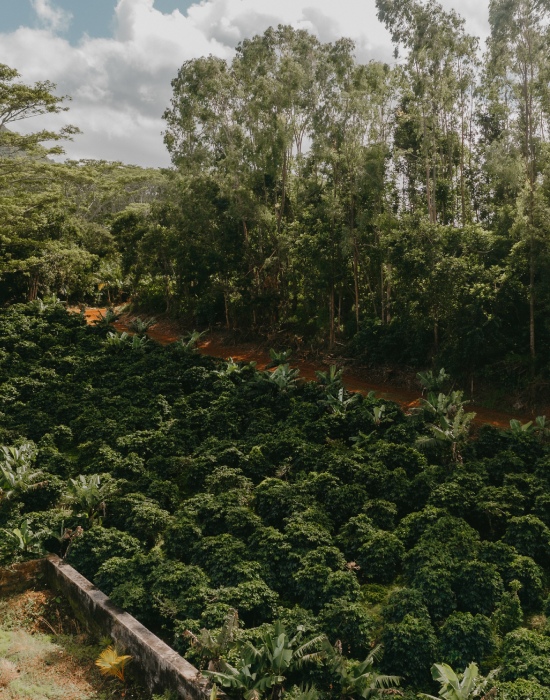
This terroir, shaped by volcanic soils, climate and production methods, contributes to the distinctive identity of Chamarel Coffee. The flowering period begins after the first summer rains, usually between November and December. White flowers with a delicate fragrance appear before gradually giving way to coffee cherries. These fruits require between five and eight months to mature, allowing complex aromas to develop naturally.
A Selective Hand Harvest
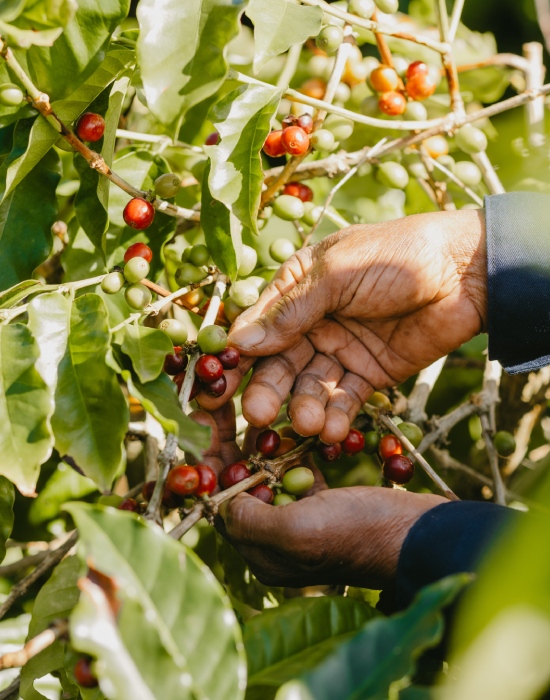
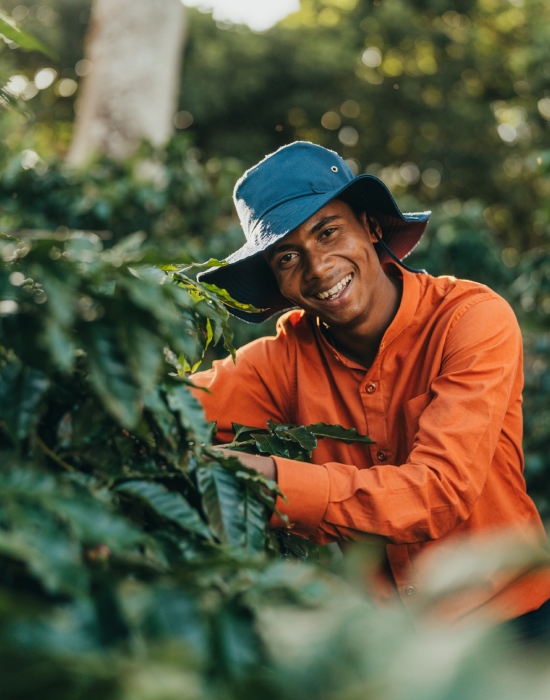
The harvest takes place between May and September. Unlike industrial coffee production, every coffee cherry is picked by hand. Only ripe cherries are selected, while immature and overripe fruits remain on the tree. Because fruits on the same branch do not ripen simultaneously, harvesting is generally carried out in two or three passes throughout the season. This selective approach contributes to the overall quality of the coffee.
From Coffee Cherry to Green Bean
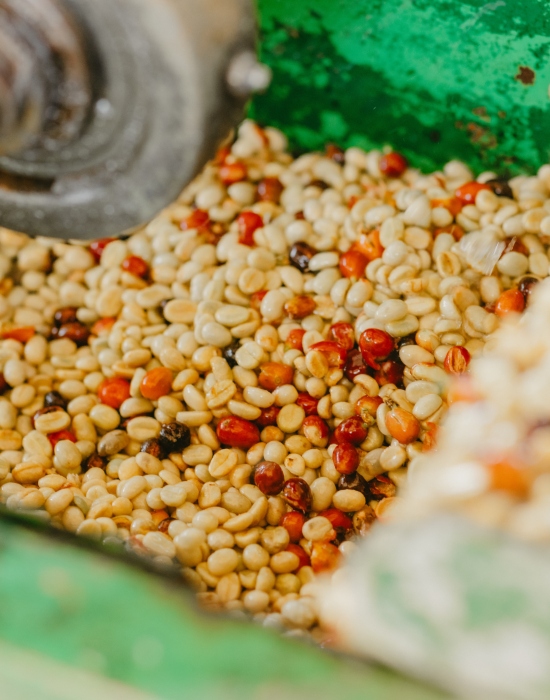
Once harvested, the cherries are processed without delay. Their red outer skin is removed during pulping before the beans enter the washing station. The beans are then fermented in water for at least 24 hours. This stage plays an important role in defining the coffee's intrinsic character and flavour profile. After fermentation, the beans are washed, cleaned and prepared for drying. Drying takes place in Case Noyale, where conditions are warmer and drier than in Chamarel. Depending on temperature and humidity, the process generally takes between two and three weeks.
The Art of Roasting
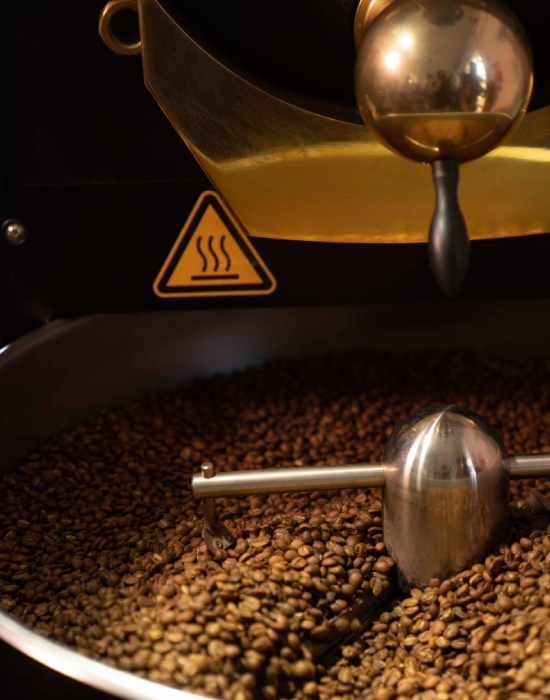
Roasting is one of the most technical stages of coffee production. During this process, green coffee beans are heated until they undergo the Maillard reaction, a transformation that develops the coffee's aromas. Different roasting profiles reveal different characteristics. Lighter roasts tend to highlight floral, fruity and acidic notes, while darker roasts develop rounder flavours with chocolate and caramel notes. The role of the roaster is to find the right balance for each coffee profile.
Coffee Growing in Harmony with Nature
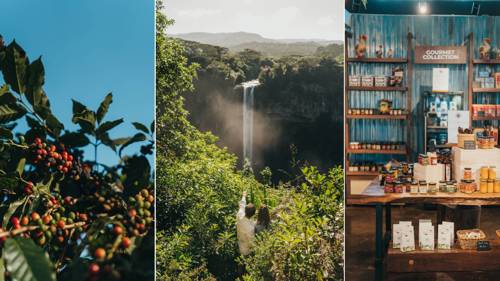
Chamarel Coffee is cultivated within an environment where biodiversity is actively preserved.
The plantation forms part of a wider territory of 161 hectares that includes endemic forests and natural habitats supporting protected species. This territory also includes the geopark, waterfall, endemic garden, coffee plantation, souvenir shop and giant tortoise park, all maintained within a broader commitment to biodiversity conservation.
Banana trees and palms are strategically planted to provide shade and protection from the wind. After harvesting, banana plants naturally decompose and contribute to the production of compost used within the plantation. Coffee pulp, used coffee grounds and other organic materials are also recycled and returned to the soil as natural fertilisers.
Alongside coffee, other crops such as cacao, vanilla, pink pepper, passion fruit and roselle are cultivated to enrich the terroir and support biodiversity. Agroforestry practices help maintain a balanced ecosystem while supporting coffee cultivation.
An Experience from Tree to Cup
Few places in the world offer the opportunity to follow every stage of coffee production within a single estate. At Chamarel Coffee Plantation, visitors gain insight into the complete journey, from coffee trees growing on volcanic slopes to the final roasted bean.


It is extremely rare to find a place where every stage of coffee production can be followed within the same estate, from the coffee tree to the final cup. This immersive experience reveals the expertise, patience and attention required to produce every batch of coffee. It is an invitation to better understand the craft behind one of Mauritius' most distinctive agricultural products.
Conclusion

Chamarel Coffee represents more than a crop grown in the highlands of Mauritius. It reflects decades of expertise, a commitment to artisanal production and a close connection with the land on which it grows.
From the careful selection of coffee cherries to fermentation, drying and roasting, each stage contributes to a coffee shaped by its terroir, its people and its environment. At Mauritius' only coffee plantation, every cup tells the story of a journey that begins on the tree and ends in your hands.
FAQ About Chamarel Coffee
Yes. Chamarel Coffee is produced within Mauritius' only coffee plantation.
The main variety cultivated is Arabica K7, originally from Kenya.
The harvest generally takes place between May and September, with cherries picked by hand according to their level of ripeness.
Hand harvesting allows only ripe cherries to be selected, helping maintain quality throughout the production process.
Yes. Visitors can follow the journey from coffee tree to cup and learn about cultivation, processing and roasting on the estate.